Brand Strategy
Website Rebranding: Align the Identity, Content and Launch Plan
Updated

The new identity is approved. The homepage looks convincing. Then the web team opens an old service page and finds a different promise, outdated photography and a form that no longer asks the right questions. A website rebrand becomes much harder when the design direction and the working content have been reviewed separately.
Website rebranding connects the business’s new direction with the pages people actually use. For a founder hiring a branding studio, the brief should explain what changes in the offer, what customers still need to recognise and how the identity will work across content, navigation and enquiry journeys.
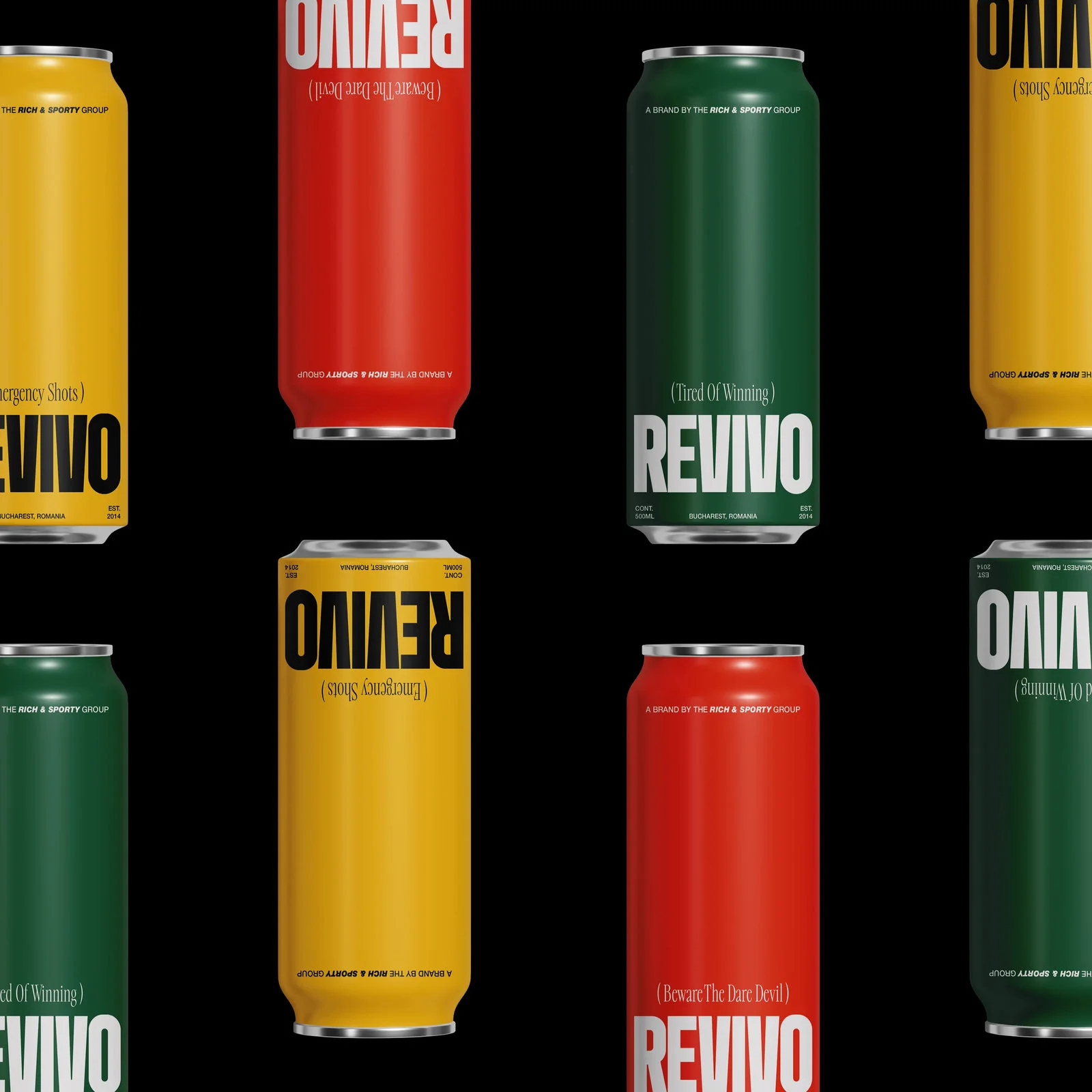
Cover photograph by Compagnons on Unsplash.
Decide what the rebrand changes for the customer
Start with the business decision. Are you serving a different buyer, clarifying an existing offer or bringing several services under one identity? Write down what a visitor should understand after the change and what remains familiar.
A fictional consultancy moving from individual assignments to a more defined service may need to explain its engagement model differently. Changing the colours alone would leave that question unanswered. The new wording, evidence and next step need to support the revised offer.
Use our brand refresh versus rebrand guide to clarify the scale of the identity work. Then brief the website around the customer decisions affected by it, rather than treating every page as a visual reskin.
Inventory the pages before designing the new structure
Collect the existing page addresses, their purpose and the person responsible for the content. Include service pages, product pages, articles and campaign landing pages. Identify the routes customers use to enquire, buy, book or find support.
Review available first-party evidence with the people who manage it. Search Console can inform discussions about search queries and landing pages, while enquiry records can reveal the information buyers ask for. Use the actual evidence available to your business and record where information is missing.
For each page, agree whether it stays, needs rewriting, combines with another page or requires a replacement. Assign a content owner and a decision date. Our brand audit guide offers a broader framework for examining the existing customer experience.
Brief the content and layout together
Give the studio approved messaging and representative content before judging the page designs. A service page with a short headline, several paragraphs and a case study needs a different review from a homepage with one large statement.
Ask the team to show how the proposed identity handles the longest product name, a detailed service explanation and the evidence supporting the offer. Check that headings help someone understand the page rather than merely decorating it.
Define who writes the copy, who confirms factual claims and who signs off each page. Our brand messaging framework guide helps connect the main promise with the supporting explanations your pages need.
Test a complete route to the next step
Choose a realistic visitor task and follow it through the proposed site. Can a potential client understand the relevant service, see appropriate work, learn how to proceed and submit the information your business needs?
Use real form labels, confirmation messages and content in the review. A contact button is only one part of the journey. Confirm where the submission arrives, who responds and what the visitor is told to expect.
For the fictional consultancy, the enquiry form might need to reflect the new engagement model. Agree that change with the people handling enquiries before the design is approved. This connects the brand promise with the operational experience that follows.

Make URL decisions an explicit workstream
Decide which page addresses will remain and which genuinely need to change. A different visual identity does not itself require every address to be rewritten. Give the web and search teams responsibility for reviewing the proposed structure and its implementation.
Where URLs change, Google’s site-move guidance recommends mapping old addresses to their new destinations and using server-side permanent redirects where possible. It warns against redirecting many old pages to an irrelevant homepage. Have the implementation team test the mapping, update internal links and review the site’s indexing setup.
Google also recommends separating major changes where practical, rather than changing the domain, platform and layout simultaneously. Discuss the sequence with the team before announcing a launch date. Treat the URL plan as an assigned deliverable, with a named reviewer.
Approve the identity across ordinary page states
Request examples beyond the strongest desktop mockup. Include mobile layouts, long content, missing optional images and the messages visitors see when a form needs correction. Review the typography and colour combinations in those settings.
Ask the web team to check the built pages as well as the design files. Approved colour references and type choices still need appropriate implementation. Our accessible brand identity guide explains the questions to include when defining responsibility for readability and use.
Prepare a small set of templates and editing instructions for the people who will maintain the site. They should understand how to add a new service, replace a photograph and publish content without improvising a different visual language.
Plan launch and follow-up as part of the scope
List the checks required before publication: approved content, working journeys, page destinations, contact routing and the brand applications that link to the site. Agree who can make the final launch decision and who handles issues afterwards.
Keep a record of the previous site and the decisions made during the project. After launch, review actual enquiries and available search data with the relevant team. Investigate problems against that record rather than assuming every change in results has one cause.
If your next chapter needs a new identity and a website that explains it clearly, explore UNDOUBT STUDIO’s branding packages and our website design service. Share your current site, the business changes behind the rebrand and your priority customer journeys. Those details help define a connected scope.
Source notes: Google Search Central’s linked documentation supports the URL-change guidance. The wider briefing framework is editorial guidance; the consultancy scenario is fictional. Sources and both free photo selections checked 29 November 2026. Photographs are offered under the Unsplash License.
Found this useful?
Views —KEEP EXPLORING