Brand Strategy
How to Write a Branding Brief: A Founder’s 10-Point Checklist
Updated

A new brand identity usually starts with a familiar request: “We want something modern, premium and memorable.” It is understandable, but it does not yet tell a designer what the business needs to achieve.
A branding brief connects your commercial goals to the creative work. It explains who you serve, what makes you different, where customers encounter your brand and what has to be ready for launch. Done well, it makes the first strategic conversation more productive without asking you to become the designer yourself.
This guide walks through ten questions worth answering before you hire a branding studio. There is also a one-page template you can copy at the end.
Photo: Brands&People on Unsplash.
What is a branding brief?
A branding brief is a short document describing the business challenge, audience, positioning, scope and practical requirements for a branding project. Think of it as a starting point for discovery, not a script that dictates the final design.
A useful brief answers why this project exists before prescribing what the logo should look like. It also distinguishes requirements from preferences. “Our labels must remain legible on 80 mm jars” is a requirement; “I personally like serif fonts” is a preference.
You do not need a perfectly polished document. Honest answers, including areas where you are uncertain, give a good branding partner something substantial to work with.
10 questions every founder should answer
1. What does your business sell, and how does it work?
Write a plain-English description of your offer, price range, buying channel and business stage. Are you launching your first product, repositioning an existing company or preparing to expand into more outlets? The identity should work for the actual business model, not a generic picture of your industry.
Useful tip: “We sell ___ to ___ through ___; our next business milestone is ___.”
2. Why are you investing in branding now?
Explain the commercial change that prompted the project. Perhaps the current identity no longer reflects the quality of your products, your packaging looks inconsistent across SKUs, or you are preparing for a new retail environment.
Avoid stopping at “we need a new logo.” Ask what a better brand needs to enable: clearer recognition, better communication of a premium offer, more consistent execution or confidence at launch. These are aims to design for, not outcomes a designer can guarantee.
3. Who is the customer, in a specific buying situation?
An audience description such as “men and women aged 25–45” is rarely enough. Describe how people discover the offer, what they compare, what makes them hesitate and what gives them confidence to buy.
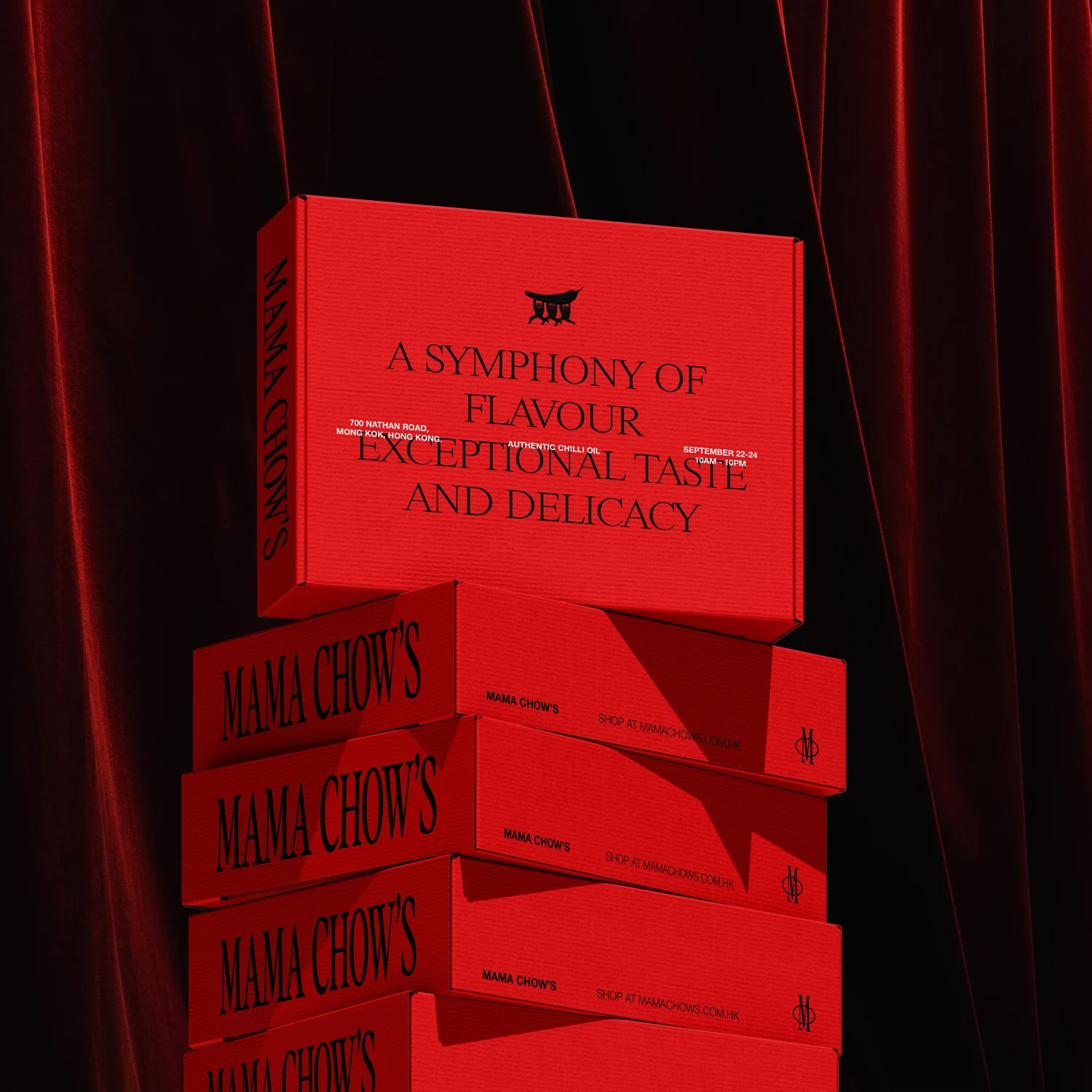
For example, a founder selling a specialty food product might write: “Our customer sees us first on a crowded retail shelf, has never tasted the product and must understand the flavour and quality within seconds.” That is more useful than “our customer likes premium things.”
4. What alternatives will customers compare you against?
List three to five realistic alternatives: direct competitors, substitutes and the option of doing nothing. Explain why a customer might choose each one.
You can share screenshots or links, but avoid asking the studio to copy a competitor’s identity. The goal is to understand the category’s visual conventions and find a credible way to stand apart.
5. What should people remember about your brand?
Try completing this sentence: “For ___, we are the ___ that ___ because ___.” It is a working hypothesis, not a final tagline.
If you say “premium,” define what that means in your context. Is it ingredient quality, meticulous service, considered design, convenience, provenance or a more thoughtful experience? Your answer gives the designer a basis for decisions beyond personal taste.
6. What evidence supports your promise?
List what is genuinely true about the business: the production method, product formulation, founder expertise, sourcing process, service approach or customer feedback. Share proof when you have it.
A strong identity makes real advantages easier to notice. It should not rely on claims the business cannot support. If the advantage is still being developed, say so; that is a strategic question worth resolving early.
7. Where must the identity work first?
Rank your most important customer touchpoints instead of asking for “everything.” A new café may need signage, menus, staff uniforms and takeaway packaging. An e-commerce product might need its product labels, listing thumbnails, shipping box and social content first.
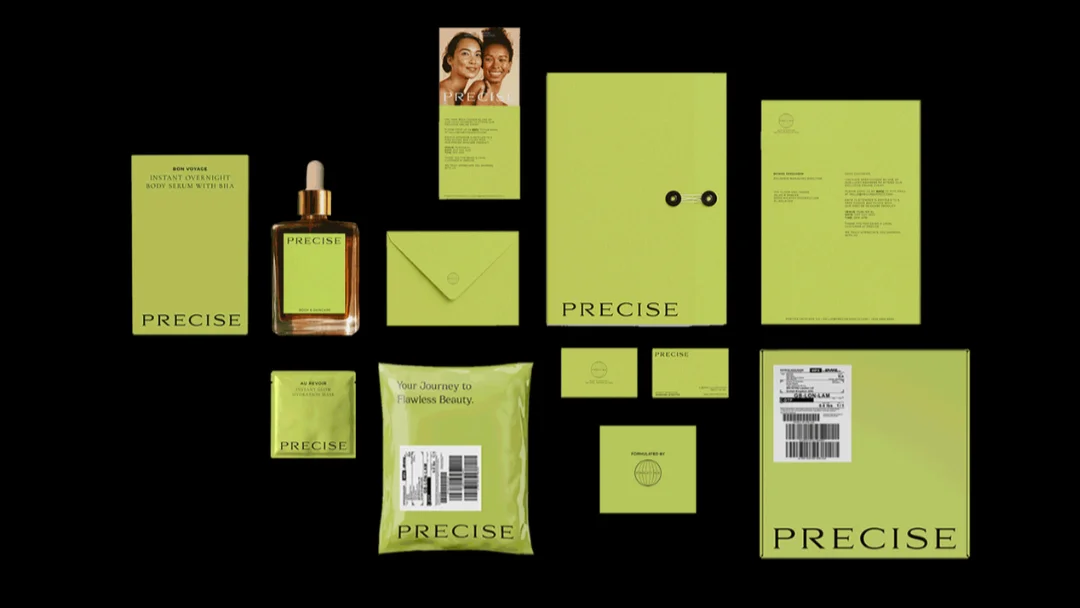
This prioritisation affects the scope of work and helps the studio build a coherent system, rather than separate attractive pieces. See our branding portfolio for examples of how an identity extends across real applications.

Photo: Karolina Grabowska on Unsplash.
8. What assets and constraints already exist?
Gather your current logo files, product dimensions, existing copy, photography, packaging specifications and digital accounts. Flag any names, product claims, supplier requirements or languages that must be retained. For regulated product categories, requirements should be checked with the relevant specialist before printing.
Also identify any equity worth preserving. A rebrand does not always mean throwing away what customers already recognise.
9. What budget, deadline and approvals are realistic?
Give a sensible investment range and explain what is driving the deadline: a lease opening, trade event, investor presentation or product shipment. Mention when printers, developers and manufacturers need final files.
Identify who will make the final decision and whether there are other stakeholders whose feedback must be consolidated. A clear approval path is often more useful than an aggressive deadline.
10. How will you know the project is ready to launch?
Define practical acceptance criteria. Examples: the selected identity works clearly at small sizes, the packaging hierarchy can be understood at shelf distance, the team has usable files and the guidelines show how to apply the brand consistently.
Commercial results such as sales growth depend on many factors beyond design. Your brief can state those ambitions while making launch readiness concrete and reviewable.
A one-page branding brief template to copy
Copy the following into a document and answer each section in a few sentences. Leave questions open where you need strategic help.
Business and offer: What do we sell, to whom and through which channels?
Stage and milestone: Are we launching, expanding or repositioning?
Business problem: What is not working or what opportunity are we pursuing?
Customer context: Where do buyers discover us and what influences the decision?
Alternatives: Which three to five options are customers comparing?
Positioning hypothesis: What do we want people to remember, and why believe us?
Brand personality: How should the experience feel? What should it never feel like?
Priority touchpoints: What needs designing for day one, and what can wait?
Existing assets and constraints: What must remain, fit or comply with requirements?
Investment, timeline and approvals: What is realistic, and who decides?
This is a conversation starter, not a test. If you cannot answer an important question, highlight it. A strategy-led branding process should help make those decisions clearer rather than decorate unresolved assumptions.
Three common mistakes to avoid
Briefing only aesthetics. “Minimal, elegant, black and white” tells the studio what you like, but not why that direction fits the customer or the business.
Treating competitors as designs to imitate. Reference competitors for market context. Explain what they do well and where your business must be different.
Listing deliverables without priorities. Ten collateral items may sound comprehensive, but a focused system built around the highest-impact customer interactions is often the better starting point.
What happens after you send your brief?
The studio should use your answers to examine the business, clarify the positioning, develop a coherent visual direction and apply it across the agreed touchpoints. The brief is the input; the creative strategy and identity are the work.
At UNDOUBT STUDIO, our branding process starts with strategic clarity before visual execution. You can explore our branding services and packages, review selected brand identity projects, or read how to begin a project with us.
Frequently asked questions
How long should a branding brief be?
One or two thoughtful pages are often sufficient for an initial enquiry. Additional research, specifications and customer feedback can be attached as supporting material. Clarity matters more than length.
Do I need to know my logo style before approaching a branding studio?
No. Share visual references if they help explain your preferences, but leave room for strategy to inform the creative direction. A qualified branding partner should be able to explain why its recommendation fits the brief.
What if I do not know my target audience yet?
Be transparent about what you know and what is still an assumption. Existing enquiries, customer conversations, sales records and competitor research are useful starting points. You may need more discovery before committing to the final identity.
Is a branding brief the same as a design brief?
They overlap. A branding brief usually emphasizes the business, market, customer and positioning. A design brief can be narrower, with detailed requirements for a particular deliverable such as a label, menu or website.
Ready to turn the brief into a brand?
A clear brief makes the beginning easier. A strong brand system takes it further: turning commercial intent into an identity customers can recognise and your team can use consistently.
Explore UNDOUBT STUDIO’s branding services and begin your project →
Found this useful?
Views —KEEP EXPLORING