Brand Strategy
Coffee Branding: Tell Your Origin Story and Make the Range Easy to Choose
Updated
Your coffee has a story. A customer standing in front of three bags still needs to decide which one to take home. If every label leads with a long origin narrative, the story can compete with the practical questions: what is different, how will I use it and which product did I enjoy last time?
Good coffee branding gives both jobs a place. It creates a recognisable identity for the business and a clear way into the range. For founders hiring a branding studio, the useful starting point is the connection between the story you can substantiate, the choices customers make and the places they encounter the brand.
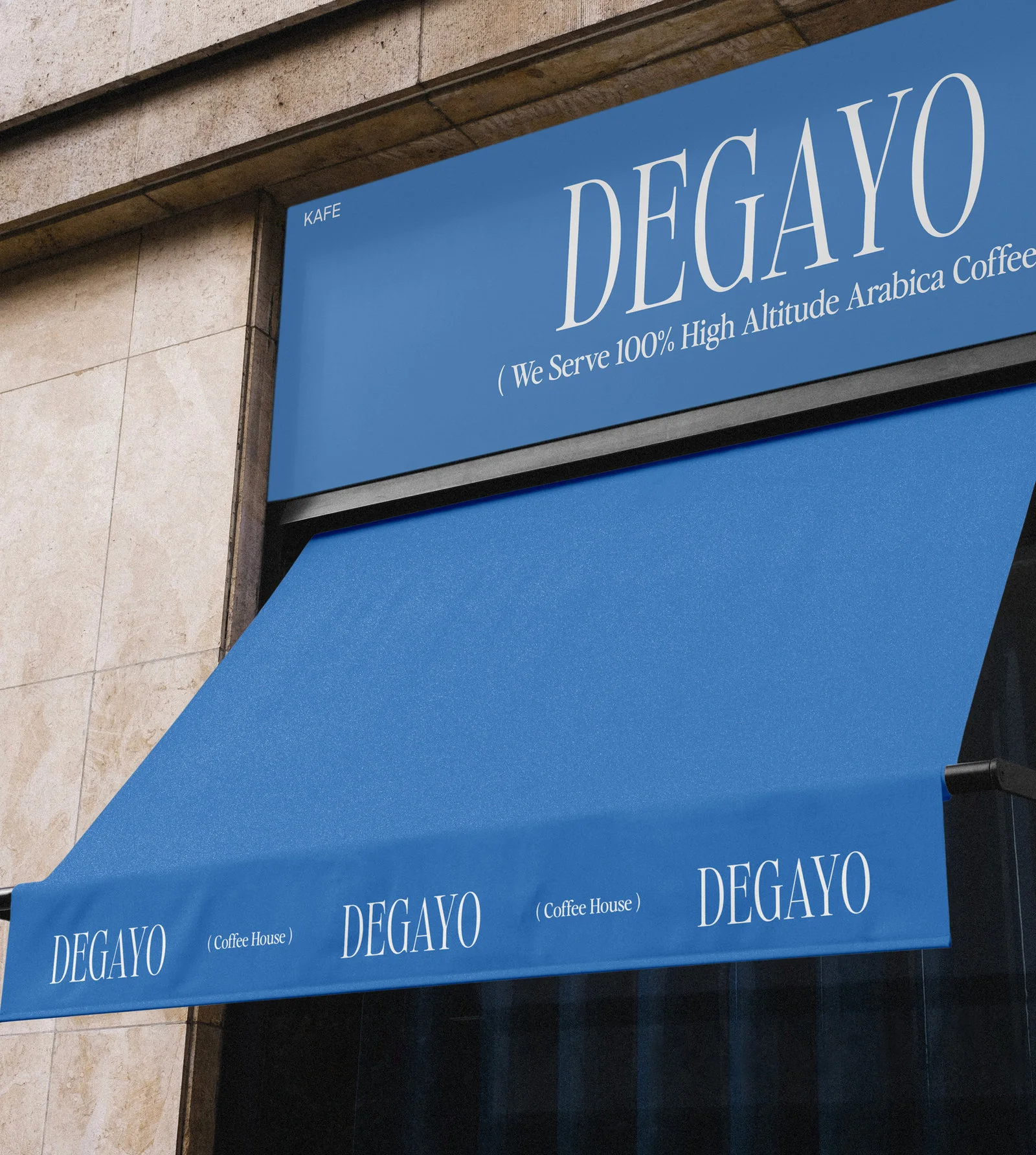
Cover: DEGAYO Coffee House’s identity application by UNDOUBT STUDIO. View the full branding and packaging project.
Decide what customers should remember about the business
Separate the lasting brand idea from the details of an individual coffee. A farm relationship, a particular approach to roasting or a welcoming coffee-house experience may shape the business. A changing product needs its own information within that larger identity.
Write one plain sentence describing what customers should understand about you. Then list the evidence you can provide. If the idea depends on a producer relationship, confirm the facts and permissions behind the story. If it depends on helping people explore coffee, explain how your team actually does that.
This gives the studio a basis for choosing typography, imagery and language. It also makes the direction easier to assess: does it communicate the agreed idea? Our brand positioning guide helps founders define that decision before reviewing design.
DEGAYO: an origin story expressed through a system
Our published DEGAYO Coffee House case study describes a business previously known as The Bean Belt, preparing a new identity. Its story connects to coffee grown on a fourth-generation farm in Indonesia’s Gayo Highlands. The project scope includes visual identity, custom illustrations, product naming, packaging and brand guidelines.
Characters illustrate cultivation, harvesting, processing, roasting and serving. Product names including Mojo and Choco Loco bring another expression to the in-house roasts. Typography, colour and packaging connect those parts, while the guidelines document their application.
The useful lesson is the relationship between story and structure. A narrative becomes something a team can apply across everyday materials. The published project documents our design approach; it does not provide sales or customer-testing results.

Give the brand name and coffee names different jobs
Ask the studio to show how someone recognises the business, identifies a particular coffee and distinguishes its available formats. Those tasks need a hierarchy. An expressive product name can carry personality, with an approved description nearby to explain what the customer is choosing.
For a fictional roaster selling a house blend alongside changing releases, the brief might require one stable place for the brand name, another for the coffee name and a consistent information area. The changing release should feel related without appearing identical to the regular product.
Test a likely addition before approving the system. Use its longest name and actual content, rather than convenient placeholder text. Our product naming system guide covers keeping naming roles clear as a range grows.
Build the label around approved product information
Create a product-information record that the roasting or sourcing team owns. Agree which details belong on the pack, which belong on the product page and which need updating between releases. The studio should work with approved wording and the actual bag specification.
Make the review concrete. Can someone identify the product and format without turning the bag repeatedly? Does the information remain legible when the pack is filled? Where will variable information be applied, and does that method leave enough usable space?
Ask your packaging supplier to confirm the appropriate construction, printing method and production requirements for your product. Assign the relevant reviewers for each sales market. These decisions give the designer a reliable boundary for the layout.
Let each channel explain the same offer
Put a bag, an online product listing and a café menu beside one another. Check whether the same coffee has the same name and a compatible description everywhere. A customer should be able to connect what a barista recommended with the item they find online later.
The amount of explanation can change with the setting. A product page has room for a fuller story. A small shelf label may need to help someone locate the right bag. Define the job of each application, then agree which information must travel between them.
If wholesale is part of the plan, include materials the buyer needs to understand and order the range. Our wholesale sell sheet guide helps turn that requirement into a separate, practical design deliverable.

Ask for a system your team can update
A coffee range can contain changing names, product details and release dates. Identify which changes your team expects to make and which require the studio. Request examples using real content, including a short name, a long name and a release with more information.
If illustrations carry the story, agree their subjects, permitted uses and how future additions should be commissioned. If staff create everyday materials, identify the templates and instructions they need. Our brand guidelines handoff checklist offers a way to review those practical requirements before delivery.
Brief the launch you can actually produce
Give prospective studios a list of launch applications, the current range, supplier deadlines and the person responsible for each approval. Distinguish a representative packaging design from artwork for every product and size. Confirm who supplies copy, photography and final specifications.
Before expanding the design, walk through one purchase: discovery, comparison, selection and finding the same coffee again. Record where the identity helps and where information is missing. That review gives the studio a useful problem to solve.
Planning a coffee launch or a new chapter for an established business? Explore UNDOUBT STUDIO’s branding packages and share your story, product range and intended sales channels. We can define a scope that connects the identity with the choices your customers need to make.
Source notes: DEGAYO’s linked case study verifies the studio work and origin story described. Other recommendations are editorial guidance; the house-blend scenario is fictional. Sources and free photo selections checked 27 November 2026. Both Unsplash photographs are offered under the Unsplash License.
Found this useful?
Views —KEEP EXPLORING