Brand Strategy
Home Fragrance Branding: Help Customers Choose a Scent Online
Updated
“A quiet evening in a sun-warmed room” can be an inviting description. It still leaves a customer wondering whether your candle smells woody, floral or sweet. Buying fragrance online asks people to imagine something they cannot experience through the screen. Your brand needs to make that invitation appealing and give the choice some substance.
Home fragrance branding connects a recognisable identity with the information people need to explore a collection. For founders commissioning a studio, that means briefing more than a logo on a jar. Product naming, scent descriptions, photography, packaging and the store should work together, from the first impression to finding a favourite again.
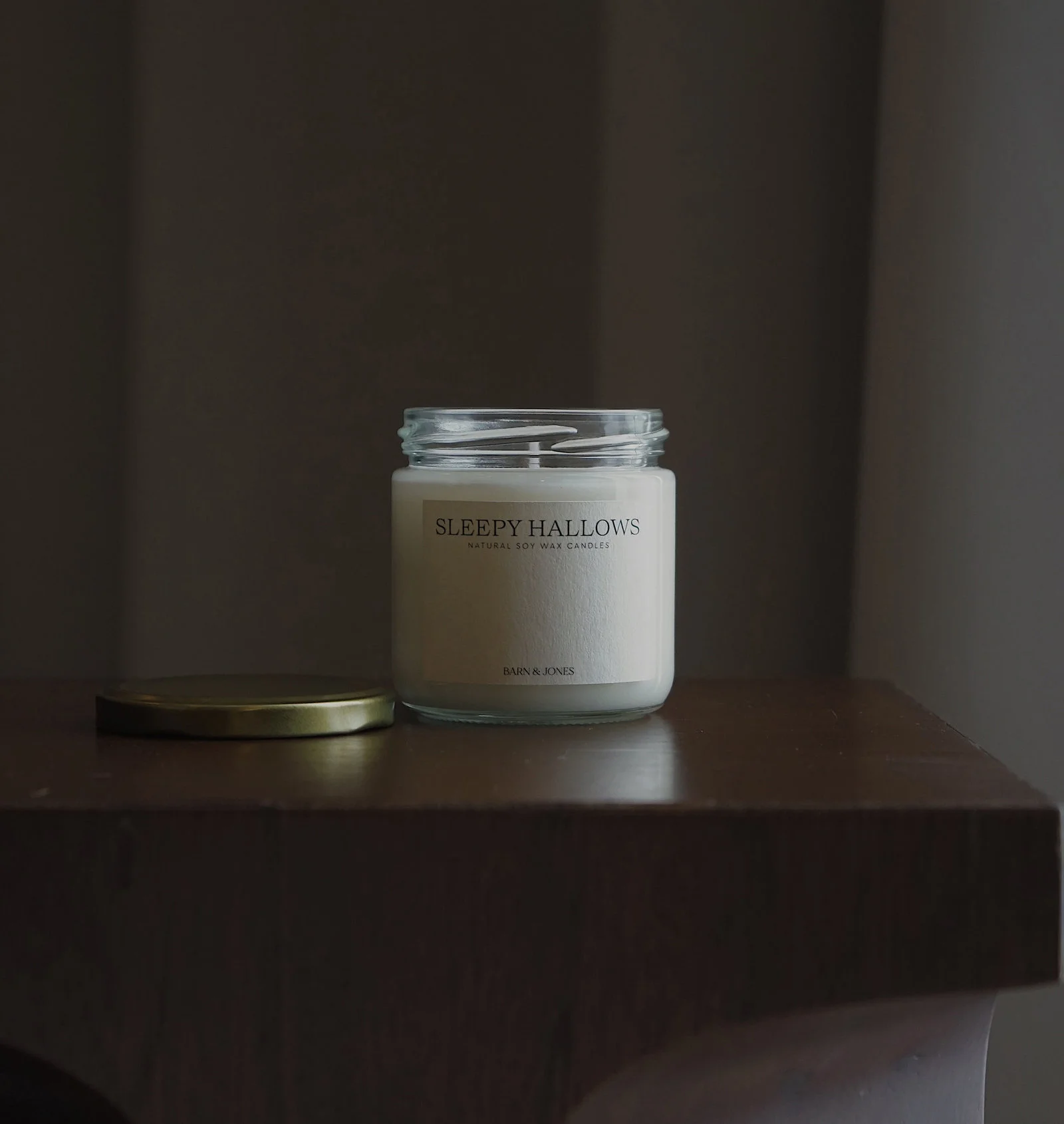
Cover: Barn & Jones candle photography from UNDOUBT STUDIO’s published project. Explore the identity, packaging and online store.
Choose the world your collection belongs to
Start with the role you want the brand to play in someone’s home. Are you building a collection around personal memories, expressive interiors or thoughtful gifts? Give the studio a specific idea and the business decisions behind it. “Premium candles” leaves much of that work unresolved.
A fictional brand inspired by coastal places might use personal location stories as a starting point. It would still need to explain how each scent differs. Separate the shared brand idea from the individual product details so a customer can understand both.
Gather actual questions from markets, enquiries or product trials. Which words do people use when describing a scent? What information do they ask for before choosing? Our customer interview guide can help structure the research you commission before design.
Barn & Jones: atmosphere across the whole brand
Our Barn & Jones case study documents a home-fragrance identity built around calm, memory and feeling good at home. The project includes visual identity, product naming, packaging, photography and a Shopify website.
An illustrated mark and evocative naming connect the brand with nature, travel and memory. Shared visual details carry across the collection, while the photography establishes a quiet atmosphere. The online store extends that direction into the shopping experience.
The relevant lesson is how the same character travels through several applications. A founder can review whether a product name, an image and a package tell a compatible story. The case study describes the work and creative direction; it does not report a measured wellbeing effect or a sales result.

Let names create interest and descriptions explain the scent
An evocative name can make a product memorable. Give customers a consistent place to find an approved scent description alongside it. Agree a writing structure with your product team: a short plain-language description, the scent notes you can accurately state and a longer story where useful.
Keep the same kind of information in the same place across products. If one description explains the fragrance and another only describes a mood, comparison becomes harder. Ask the studio or writer to show several products together before approving the format.
For the fictional coastal collection, a name could refer to a place while the accompanying line explains the actual scent profile. Test whether people can distinguish the products from that information. Our product naming system guide explains how brand, collection, scent and format can each have a clear role.
Separate choosing a scent from choosing a format
Map the range before designing the label. Does one fragrance appear as a candle and a diffuser? Are there different sizes or gift sets? Show the studio the actual combinations you intend to sell, including any planned additions.
Agree how the customer identifies the scent, the format and the size. Those distinctions should remain understandable on a small mobile product card as well as a full package. A colour system can support the choice, with names and descriptions providing another way to navigate.
Use a simple review task: ask someone to find a particular fragrance in the format they want, then locate the same item in another size. Record where they hesitate. This checks the structure of the choice without asking them to infer a fragrance from its label colour.
Give photography two clear jobs
Atmospheric photographs can communicate the visual world around the collection. Clear product images help customers see the vessel, label, closure and included items. Brief both purposes so the online store has the images it needs.
Show scale in an honest, understandable way. If props suggest ingredients or inclusions, check that the presentation accurately reflects the product. Keep the product identifiable across campaign images and catalogue views. Our product photography briefing guide helps define those uses before the shoot.

Design for the person receiving the product
A gift recipient may never have seen your product page. Decide what they need when opening the package: the product identity, its intended use and the appropriate instructions. Assign the relevant product and market reviewers to approve that content before final artwork.
Include the actual vessel, box and insert specifications in the brief. Review a physical sample to check fit, legibility and the order in which information appears. Keep the scent name easy to find when the product is stored or reordered.
Build the label around reviewed product information. Statements about ingredients, materials, performance or benefits should come from the people responsible for substantiating them. Give the studio approved copy and enough space to lay it out clearly.
Commission the collection you can maintain
Ask prospective studios to distinguish the core identity, a representative packaging design, artwork for each format and the store design. Confirm who provides product copy, photography and supplier specifications. A single design example and a complete launch range involve different amounts of work.
Request a walkthrough using one real product: discovering it, comparing it, choosing a format, receiving it and ordering again. Include a planned new scent to check how the system expands. That review gives both the founder and studio a concrete basis for approval.
Launching a home-fragrance collection or giving an existing brand a clearer direction? Explore UNDOUBT STUDIO’s branding packages and share your products, story and intended sales channels. We can shape a scope that connects the atmosphere of the brand with the practical decisions behind the purchase.
Source notes: The linked Barn & Jones case study verifies the studio work described. Other recommendations are editorial guidance; the coastal collection is fictional. Sources and free photo selections checked 27 November 2026. Both editorial photographs are offered under the Unsplash License.
Found this useful?
Views —KEEP EXPLORING