Branding
How to Compare Branding Proposals Before You Hire a Studio
Updated

Two branding proposals can both promise strategy, visual identity and guidelines, while leaving your team with very different amounts of work before launch. One might include a visual system and presentation mockups. Another might also deliver artwork for three packaging variants, a supplier handover and templates your team can update. The headline price makes sense only after you know what each studio will deliver and what your team will still need to commission.
Use this guide after you receive a branding proposal. It works whether you’re launching a consumer product, opening a hospitality business or rebranding an established company with a team spread across time zones.
Cover photo by Kelly Sikkema on Unsplash.
1. Give each studio the same launch scenario
Start with a short description of what must be ready on launch day. For example, a drinks founder might need three can labels, a wholesale sell sheet and product images for an online shop. A hospitality founder might need exterior signage, a printed menu and booking-page assets. Specify which vendors are already involved, what they need and when their first deadline falls.
Ask each studio to map its proposal to that scenario. The question is simple: “Which of these will you deliver, in what form, and who completes the rest?” A studio can then explain what it includes, what depends on another supplier and what it can quote separately. If your scope is still taking shape, start with our branding brief checklist, then use the same brief when asking studios to clarify their proposals.
2. Find out what the strategy phase will decide
The word “strategy” tells you little about the decisions a studio will help you make. Ask what inputs it needs and which questions it expects to resolve before design begins. For a rebrand, that could mean agreeing which existing brand elements customers still recognise and where the new identity needs to signal a change. For a launch, it could mean choosing the priority audience and defining how the product earns attention alongside alternatives.
Ask what your team will receive and who signs it off. A short positioning document can be enough when the founder and team can use it to judge design decisions and brief future partners. If the studio expects you to supply customer research, competitor information or approved messaging, make sure someone on your team owns those inputs and can deliver them in time.
3. Separate design concepts from launch-ready assets
Read every deliverable as an item you might hand to someone. A logo suite may cover variations for light and dark backgrounds. A branded packaging mockup may show the look without supplying artwork a printer can use. A social kit might mean exported examples, or it might include editable templates your team can reuse. Ask for the number of items or variants, the formats and any production support included.
For packaging, name the formats and variants separately. A single carton with three flavours may require one design system, three artwork files and separate proof checks. If a printer has not supplied the dieline yet, ask when it needs to arrive and how a later change to the structure would affect the scope. Our Mama Chow’s case study shows how a recognisable packaging family can give individual flavours their own character.

4. Check approvals, revisions and handover
A project schedule should make it clear when you need to give feedback and which decisions have to be signed off before the next phase. Ask how many directions the studio will present, how it counts a round of revisions and what happens if feedback changes an approved direction. If your team works across time zones, agree on who consolidates comments, where approvals are recorded and when both sides are expected to respond.
Ask for an example of the handover. If a local supplier needs vector artwork, or your marketing team needs editable templates, ask the studio to name those files in the proposal. Check which assets are yours to use, which editable files are included and whether any fonts or imagery need separate licences. The AIGA design services agreement guide is a useful reference for the kinds of scope, milestones and rights questions to raise with a studio.
5. Compare the total effort required to launch
Make a short comparison sheet with a row for each thing that must be ready. Mark it as included, quoted separately, handled by your team or still unclear. Then add any separate costs you already know about, such as copywriting, supplier artwork, additional product variants or third-party licences. If two studios quote in different currencies, compare them in the same currency and check how each handles payment and third-party expenses.
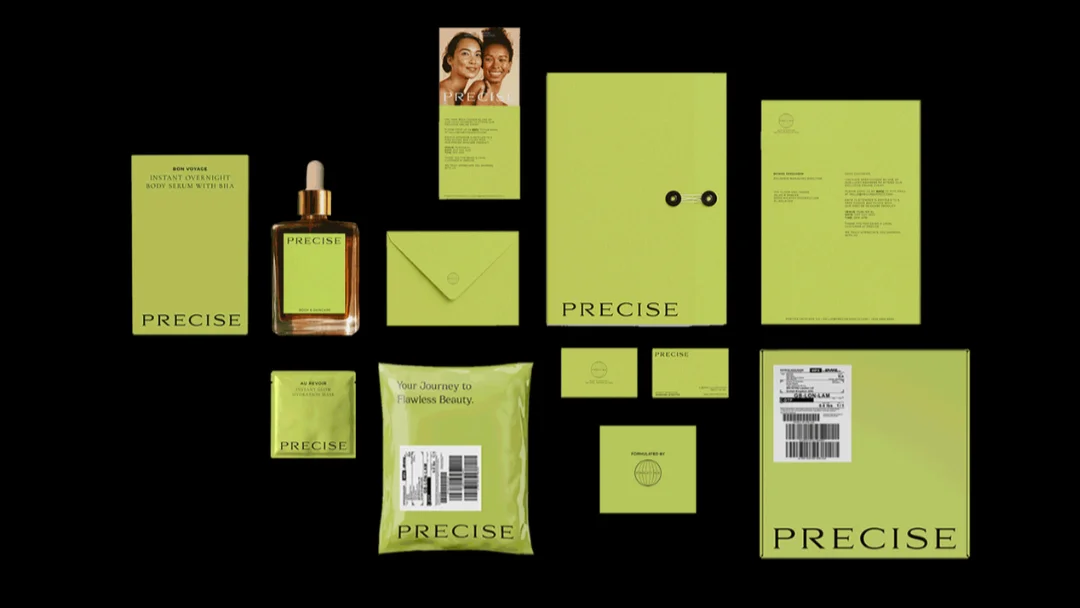
Imagine two proposals for a skincare launch. Both include brand identity and one packaging direction. Studio A will deliver a visual mockup and your printer will prepare the production files. Studio B will apply the approved design to all three variants using the printer’s dielines. Either can work. The choice depends on whether your printer can take on the adaptation, who will check the files and whether that extra step fits the launch date.
What to ask before you sign
- What decisions will we make together before design starts?
- Which deliverables can our team or suppliers use on day one?
- Which assets, variants or production steps still need a separate quote?
- Who approves each stage, and what happens if the scope changes?
- What files and usage rights will we have at handover?
When the answers are clear, look at the studio’s work for a business facing a similar decision. Ask how the team connected its design choices to the launch. That conversation tells you how the studio is likely to work when your project has competing priorities and a real deadline.
If you’re preparing to hire a studio, explore UNDOUBT STUDIO’s branding packages and tell us what needs to be ready for launch. Share the channels, the number of applications or product variants, and any supplier deadlines so we can scope the work around the handover your team needs.
Found this useful?
Views —KEEP EXPLORING